Imagine biting into a juicy, sweet papaya you grew yourself, right on your patio. Sounds like a tropical dream, doesn't it? Well, it's more achievable than you think! With a little know-how, you can successfully grow papaya trees in pots , even if you don't live in a tropical paradise. Let's dive in and discover the secrets to nurturing your own potted papaya tree. Why Grow Papaya Trees in Pots? Growing papaya trees in containers, rather than directly in the ground, offers several advantages. First and foremost, it allows you to control the environment. Papayas thrive in warm temperatures and are sensitive to frost. By growing them in pots, you can easily move them indoors when the weather turns chilly. This is particularly beneficial for those of us living outside of tropical zones. Container growing also simplifies pest control. Keeping your papaya tree in a pot reduces its exposure to soil-borne pests and diseases. And because the tree is...
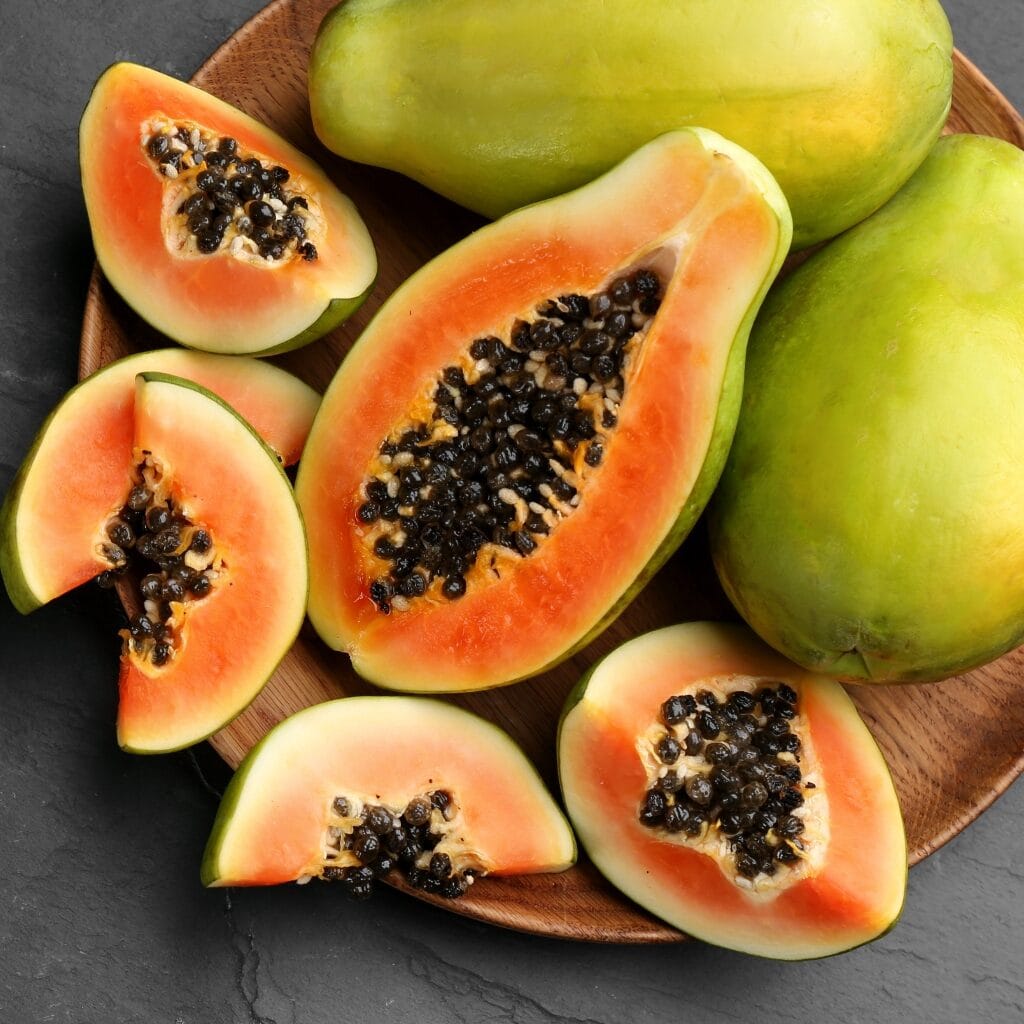
Have you ever strolled through a tropical garden and wondered about those intriguing trees with the large, vibrant fruits hanging beneath their canopy of leaves? Perhaps you've pondered the Papaya tree's lifespan, its growth habits, or, crucially, whether it sheds its leaves with the changing seasons. Let's delve into the fascinating world of the Papaya and clarify whether it's an evergreen friend or a deciduous acquaintance.
Papaya Tree: Evergreen or Deciduous? The Truth Revealed
The question of whether the Papaya tree is evergreen or deciduous is a common one, and the answer, while seemingly simple, has nuances. Generally speaking, Papaya trees are considered evergreen. This means that they typically retain their leaves year-round. However, it's not quite as straightforward as that. While they don't experience a dramatic, synchronized leaf drop like a true deciduous tree (like an oak or maple), they do shed older leaves as new ones emerge. This continuous cycle of leaf growth and shedding, though not a complete defoliation, contributes to some confusion regarding their classification.
Understanding Evergreen and Deciduous Trees
To better understand the evergreen nature of Papaya trees, let's briefly define the terms:
- Evergreen: Evergreen trees retain their leaves throughout the year, though individual leaves will eventually be shed and replaced.
- Deciduous: Deciduous trees shed all their leaves at the end of the growing season, typically in the fall or winter.
Deciduous trees go dormant during colder months, conserving energy until the return of favorable conditions in the spring. Evergreen trees, on the other hand, continue to photosynthesize, albeit at a slower rate during less favorable periods, allowing them to take advantage of any available sunlight.
Why Papaya Trees Are Classified as Evergreen (Mostly!)
Despite the continual shedding of older leaves, Papaya trees maintain a relatively full canopy of foliage. The rate of new leaf production generally offsets the rate of leaf drop, resulting in a consistent green appearance. Unlike deciduous trees, Papaya trees don’t experience a period where they are entirely bare.
Several factors contribute to this 'mostly' evergreen nature:
- Climate: Papaya trees thrive in tropical and subtropical climates with consistent warmth and moisture. These conditions allow for continuous growth and leaf production.
- Growth Habit: The Papaya tree has a single stem and a relatively short lifespan, typically only 4-5 years. Its energy is primarily focused on fruit production rather than storing energy for a dormant period.
- Leaf Production: Papaya trees continuously produce new leaves from the top of the stem, as older leaves at the bottom gradually yellow and drop off.
It's crucial to remember that even within evergreen species, there can be variation. Some evergreen trees might experience a heavier leaf drop during certain times of the year due to stress or environmental factors, further blurring the lines. However, the core characteristic of retaining leaves year-round is what generally defines them.
Factors Affecting Papaya Tree Leaf Drop
While generally evergreen, certain conditions can cause more significant leaf drop in Papaya trees, leading some to believe they might be deciduous. These factors include:
- Water Stress: Insufficient water can cause the tree to shed leaves to conserve moisture.
- Temperature Stress: Exposure to cold temperatures (especially frost) can damage leaves and cause them to drop.
- Nutrient Deficiencies: Lack of essential nutrients can lead to leaf yellowing and shedding.
- Pests and Diseases: Infestations or infections can weaken the tree and cause leaf loss.
Therefore, understanding these factors and providing optimal growing conditions are vital to maintain the evergreen nature of your Papaya tree.
Is My Papaya Tree Deciduous? Identifying Leaf Drop Causes
Let's say you observe your Papaya tree experiencing more than the usual leaf shedding. How do you determine if it's simply a natural process or a sign of a problem? Here's a guide to help you assess the situation:
- Observe the Pattern: Is the leaf drop gradual and affecting only the oldest, lower leaves, or is it sudden and widespread?
- Examine the Leaves: Are the leaves yellowing, browning, or showing signs of spots or damage?
- Consider the Environment: Has there been a recent drought, cold snap, or other environmental stressor?
- Check for Pests: Inspect the leaves and stem for signs of insects or other pests.
If the leaf drop is minor and affecting only older leaves, it's likely a natural part of the tree's growth cycle. However, if the leaf drop is significant or accompanied by other symptoms, it's essential to investigate further and address any underlying issues.
Taking Care of Your Evergreen Papaya
To ensure your Papaya tree remains healthy and retains its beautiful foliage, consider the following tips:
- Proper Watering: Water deeply and regularly, especially during dry periods.
- Adequate Drainage: Ensure the soil drains well to prevent root rot.
- Fertilization: Provide regular fertilization with a balanced fertilizer.
- Pest and Disease Control: Monitor for pests and diseases and take action promptly.
- Protection from Cold: Protect the tree from frost and cold temperatures.
By providing optimal care, you can help your Papaya tree thrive and maintain its evergreen characteristic.
After tending to your Papaya trees, give yourself a break! Consider using a comfortable gardening kneeler for those long hours of tending your garden. The KVR Upgraded Garden Kneeler and Seat with Thicken & Widen Soft Kneeling Padis a great option for ultimate comfort and support. This foldable gardener stool, which comes with 2 tool pouches, is a thoughtful gardening gift for women, moms, and men who love spending time in the garden. Find it here: https://amzn.to/4mhl Mx I
Conclusion: Embracing the Ever-Giving Papaya
In conclusion, while the Papaya tree exhibits some characteristics that might lead to confusion, it is generally considered an evergreen tree. Understanding its growth habits, the factors that can affect leaf drop, and providing proper care will help you enjoy the beauty and bounty of this tropical treasure.