Imagine biting into a juicy, sweet papaya you grew yourself, right on your patio. Sounds like a tropical dream, doesn't it? Well, it's more achievable than you think! With a little know-how, you can successfully grow papaya trees in pots , even if you don't live in a tropical paradise. Let's dive in and discover the secrets to nurturing your own potted papaya tree. Why Grow Papaya Trees in Pots? Growing papaya trees in containers, rather than directly in the ground, offers several advantages. First and foremost, it allows you to control the environment. Papayas thrive in warm temperatures and are sensitive to frost. By growing them in pots, you can easily move them indoors when the weather turns chilly. This is particularly beneficial for those of us living outside of tropical zones. Container growing also simplifies pest control. Keeping your papaya tree in a pot reduces its exposure to soil-borne pests and diseases. And because the tree is...
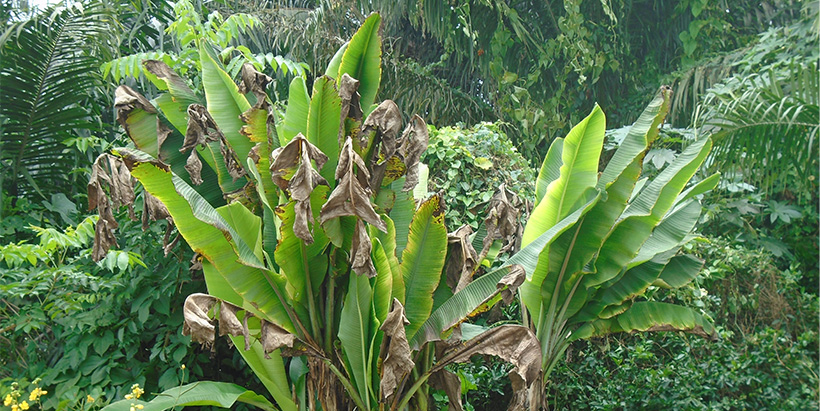
Imagine walking through your papaya orchard, the sweet scent of ripe fruit heavy in the air. Then, you notice something alarming: the leaves of one of your precious trees are clustered tightly at the top, giving it a bizarre, stunted appearance. A sinking feeling washes over you – it could be Bunchy Top Disease, a formidable foe for papaya growers everywhere. Let's delve into this disease, understand its causes, and explore ways to protect your papaya trees.
Understanding Papaya Bunchy Top Disease
Papaya Bunchy Top Disease (PBTD) is a devastating viral disease affecting papaya plants worldwide. It’s caused by a single-stranded DNA virus belonging to the Babuvirusgenus. This virus, vectored by aphids, can lead to significant yield losses and, in severe cases, the death of the papaya tree. Early detection and proactive management are crucial to minimizing its impact.
Symptoms of Bunchy Top Disease in Papaya
Recognizing the symptoms ofPapaya Bunchy Top is the first step towards controlling its spread. These symptoms often manifest in a distinctive way, making early identification possible. Here are the key indicators to look out for:
Leaf Symptoms
The most characteristic symptom is the "bunchy top" appearance. This occurs because the youngest leaves are stunted and clustered together at the apex of the stem. These leaves are often smaller than normal and exhibit a leathery texture. Other telltale signs include:
- Dark green veins: The veins on the underside of the leaves become unusually dark green and thickened. This is especially noticeable on young leaves.
- Reduced leaf size: Infected leaves are significantly smaller than healthy leaves.
- Chlorosis: Yellowing of the leaves, particularly along the margins.
- Downward curling: Leaves may curl downwards, adding to the distorted appearance.
Stem Symptoms
While the most obvious symptoms are on the leaves, the stem can also provide clues. Examine the stem for the following:
- Reduced internode length: The distance between leaves (internodes) becomes shorter, contributing to the bunchy appearance.
- Oily streaks: Sometimes, oily streaks can be observed on the petioles (leaf stalks) and the upper part of the stem.
Fruit Symptoms
If the papaya tree is infected before fruit development, fruit production may be severely reduced or completely halted. If fruits do develop, they may be:
- Smaller than normal: Infected trees produce smaller fruits.
- Deformed: Fruits can exhibit deformities.
- Latex staining: Increased latex flow can stain the fruit surface.
Transmission and Spread of Papaya Bunchy Top
Understanding howBunchy Top Disease of Papaya spreads is vital for effective control strategies. The primary mode of transmission is through aphids, specifically the papaya aphid (Aphis gossypii). Here's a breakdown of the transmission process:
- Aphid vectors: Aphids acquire the virus by feeding on infected papaya plants.
- Persistent transmission: Once an aphid acquires the virus, it can transmit it to healthy plants for an extended period.
- Movement of infected plant material: The disease can also spread through the movement of infected seedlings or plant parts. This highlights the importance of sourcing planting material from reputable and disease-free nurseries.
The aphid’s role is critical, as it acts as the biological vector. The virus replicates within the aphid, allowing it to transmit the disease efficiently. Factors that favor aphid populations, such as warm weather and certain insecticide applications that kill beneficial insects, can exacerbate the spread ofpapaya bunchy top disease.
Managing and Controlling Papaya Bunchy Top Disease
Effective management ofpapaya bunchy top disease requires an integrated approach, combining preventative measures with active control strategies. Here’s a detailed look at the key steps:
Prevention
Prevention is always better than cure. The following practices can significantly reduce the risk of infection:
- Use disease-free planting material: Always source seedlings from certified disease-free nurseries. This is the most important preventative measure.
- Regular monitoring: Regularly inspect your papaya plants for any signs of the disease. Early detection is crucial for effective control.
- Weed control: Keep your orchard free of weeds, as they can serve as alternative hosts for aphids and the virus.
- Good sanitation: Remove and destroy any infected plants immediately to prevent further spread. Burn or bury the infected plants away from the orchard.
- Quarantine: Implement strict quarantine measures to prevent the introduction of the disease into new areas.
Control Strategies
Ifpapaya bunchy top is detected, the following control strategies can help manage the disease:
- Aphid control: Control aphid populations using appropriate insecticides. However, be mindful of the impact on beneficial insects. Consider using selective insecticides or biological control methods like introducing ladybugs or lacewings.
- Rogueing: Remove and destroy infected plants as soon as they are detected. This is the most effective way to prevent further spread.
- Cultural practices: Optimize growing conditions to promote plant health. Healthy plants are more resistant to disease. Ensure proper fertilization, irrigation, and drainage.
Integrated Pest Management (IPM)
A holistic IPM approach is recommended for long-term control. This involves combining multiple strategies, including:
- Biological control: Introduce natural enemies of aphids, such as ladybugs, lacewings, and parasitic wasps.
- Cultural practices: Optimize plant health through proper fertilization, irrigation, and sanitation.
- Chemical control: Use insecticides judiciously, targeting aphids while minimizing harm to beneficial insects. Rotate insecticides to prevent resistance development.
- Monitoring: Regularly monitor aphid populations and disease incidence to inform management decisions.
Consider purchasing the KVR Upgraded Garden Kneeler and Seat with Thicken & Widen Soft Kneeling Pad from Amazon to make those long days of weeding and tending to your papaya trees more comfortable. This foldable gardener stool with tool pouches is a thoughtful gardening gift for anyone who enjoys spending time in their garden. You can find it here: https://amzn.to/4mhl Mx I.
Case Studies and Research on Papaya Bunchy Top
Numerous studies have been conducted to understandBunchy Top Disease and develop effective control measures. Here are a few notable examples:
- Research on Virus Strains: Studies have identified different strains of the Babuvirusresponsible for PBTD, helping to understand the variations in disease severity and spread.
- Aphid Transmission Studies: Research has focused on the efficiency of different aphid species in transmitting the virus, leading to targeted aphid control strategies.
- Evaluation of Control Methods: Trials have evaluated the effectiveness of various control methods, including insecticide applications, biological control agents, and cultural practices.
These studies highlight the ongoing efforts to combatpapaya bunchy top. By staying informed about the latest research, papaya growers can adopt the most effective strategies for managing the disease.
The Future of Papaya Bunchy Top Management
The fight againstPapaya Bunchy Top Disease is an ongoing process. Future research will likely focus on:
- Developing resistant varieties: Breeding papaya varieties that are resistant to the virus is a long-term solution.
- Improving detection methods: Developing rapid and accurate diagnostic tools for early detection of the disease.
- Exploring novel control strategies: Investigating new and innovative control methods, such as RNA interference (RNAi) technology, to target the virus directly.
By investing in research and implementing integrated management strategies, we can protect papaya production and ensure a sustainable future for papaya growers worldwide.