Imagine biting into a juicy, sweet papaya you grew yourself, right on your patio. Sounds like a tropical dream, doesn't it? Well, it's more achievable than you think! With a little know-how, you can successfully grow papaya trees in pots , even if you don't live in a tropical paradise. Let's dive in and discover the secrets to nurturing your own potted papaya tree. Why Grow Papaya Trees in Pots? Growing papaya trees in containers, rather than directly in the ground, offers several advantages. First and foremost, it allows you to control the environment. Papayas thrive in warm temperatures and are sensitive to frost. By growing them in pots, you can easily move them indoors when the weather turns chilly. This is particularly beneficial for those of us living outside of tropical zones. Container growing also simplifies pest control. Keeping your papaya tree in a pot reduces its exposure to soil-borne pests and diseases. And because the tree is...
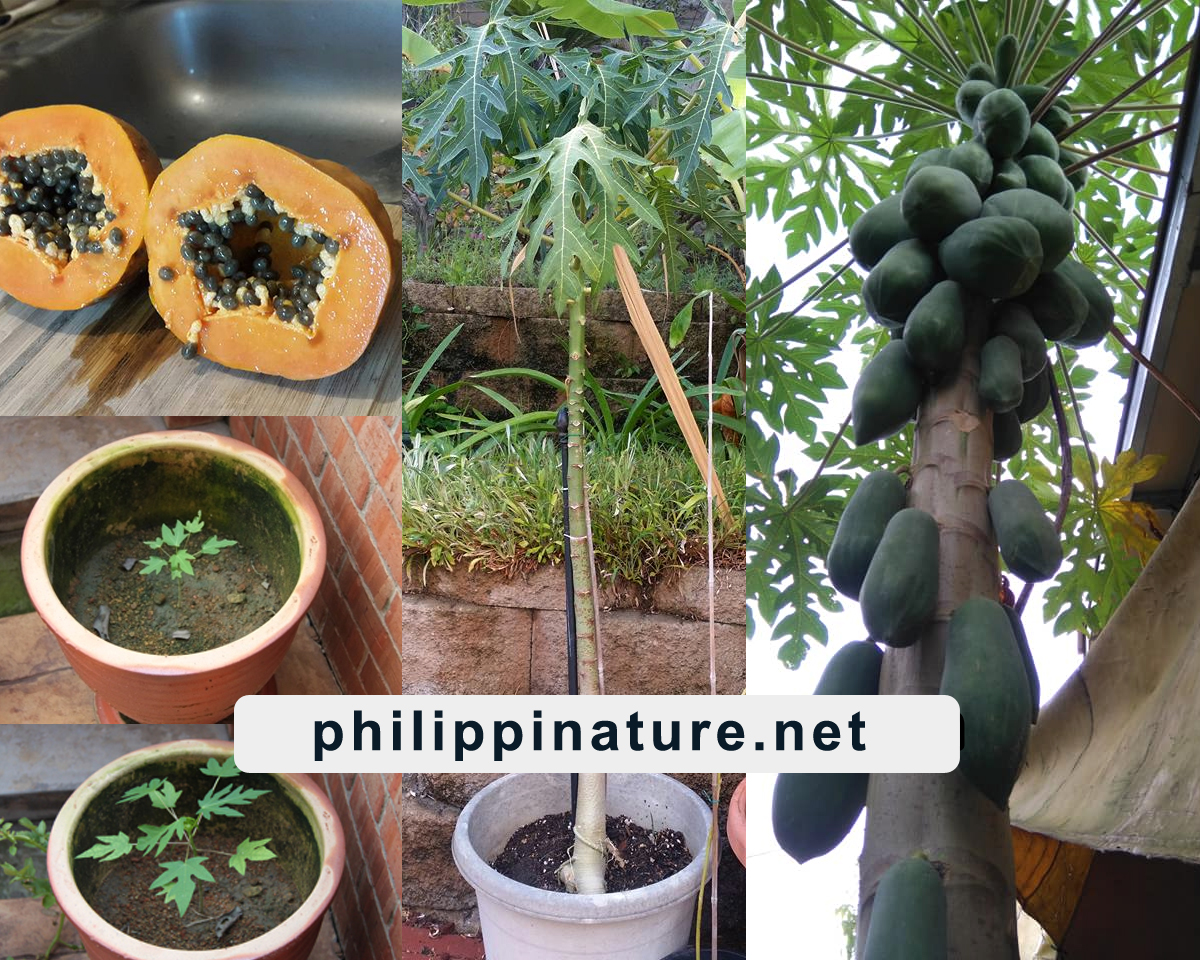
Imagine biting into a juicy, sweet papaya, grown right in your own backyard! The idea seems tropical and exotic, maybe even a little out of reach. But what if I told you that you could actually grow your own papaya tree from seed, even if you don't live in a tropical paradise? It might seem daunting, but with the right knowledge and a little patience, homegrown papayas can become a reality. Let's dive into the fascinating world of papaya propagation!
Can I Grow Papaya From Seed? The Short Answer
Yes, you absolutely can grow papaya from seed! It's a common and relatively straightforward method of propagation. Papaya seeds are readily available from ripe papayas you buy at the store or even from online seed suppliers. However, success depends on a few crucial factors, including climate, seed viability, and proper care. Let's explore each of these in detail.
Sourcing and Preparing Your Papaya Seeds
The first step in your papaya-growing journey is obtaining viable seeds. You have a couple of options: purchasing seeds from a reputable source or harvesting them from a ripe papaya. If you choose the latter, here's what you need to know:
Extracting Seeds From a Ripe Papaya
Select a papaya that is fully ripe. It should be mostly yellow or orange and slightly soft to the touch. Cut the papaya open and scoop out the seeds. They will be covered in a gelatinous sac, which contains germination inhibitors. It's essential to remove this sac to improve germination rates. Here's how:
- Place the seeds in a fine-mesh sieve.
- Rinse the seeds thoroughly under running water, rubbing them gently to remove the gelatinous coating.
- Continue rinsing until the seeds feel clean and no longer slimy.
- Spread the seeds on a paper towel and allow them to dry completely in a cool, well-ventilated place. This can take a few days.
Once the seeds are dry, store them in an airtight container in a cool, dark place until you're ready to plant. Properly stored seeds can remain viable for several months.
Purchasing Papaya Seeds
Buying seeds from a reputable supplier guarantees quality and higher germination rates. Look for seeds specifically labeled for your climate. Some varieties are more cold-tolerant than others. Consider these factors when purchasing:
- Variety: Choose a variety suited to your climate and desired fruit size and taste. Solo papayas are a popular choice for smaller gardens.
- Germination Rate: Check the seed packet for the expected germination rate. A higher rate indicates a greater likelihood of success.
- Supplier Reputation: Purchase seeds from a trusted supplier with positive reviews.
Germinating Your Papaya Seeds
Now comes the exciting part – germinating your papaya seeds! This can be done indoors, which is highly recommended if you live in a cooler climate. Starting indoors gives your seedlings a head start and protects them from harsh weather conditions.
Indoor Seed Starting
Here's a step-by-step guide to germinating papaya seeds indoors:
- Choose a Seed-Starting Mix: Use a well-draining seed-starting mix. Avoid using garden soil, as it can be too heavy and may contain pathogens.
- Sow the Seeds: Fill small pots or seed trays with the seed-starting mix. Sow the seeds about ½ inch deep, placing 2-3 seeds per pot. This increases the chances of at least one seed germinating.
- Water Gently: Water the soil gently until it's moist but not soggy. Overwatering can lead to fungal diseases.
- Provide Warmth: Papaya seeds need warmth to germinate. Maintain a soil temperature between 70-85°F (21-29°C). You can use a heat mat to provide consistent warmth.
- Maintain Humidity: Cover the pots or seed trays with a clear plastic dome or plastic wrap to create a humid environment. This helps to retain moisture and promotes germination.
- Provide Light: Once the seeds germinate, remove the plastic cover and place the seedlings under a grow light or in a sunny window. Ensure they receive at least 6-8 hours of light per day.
Outdoor Seed Starting
If you live in a tropical or subtropical climate with consistently warm temperatures, you can try starting papaya seeds directly in the ground. Choose a sunny location with well-draining soil. Prepare the soil by loosening it and adding compost or other organic matter. Sow the seeds about ½ inch deep and water gently. Keep the soil consistently moist but not soggy. Be prepared to protect the seedlings from pests and harsh weather conditions.
Transplanting Your Papaya Seedlings
Once your papaya seedlings have developed a few sets of true leaves (the leaves that look like miniature papaya leaves), it's time to transplant them into larger pots or directly into the ground. This step requires careful attention to avoid damaging the delicate roots.
Hardening Off Seedlings
Before transplanting your seedlings outdoors, it's essential to harden them off. This process gradually acclimates them to outdoor conditions, reducing the risk of shock. Here's how to harden off your papaya seedlings:
- Gradually Expose to Sunlight: Start by placing the seedlings in a sheltered location outdoors for a few hours each day, gradually increasing the amount of time they spend outside.
- Reduce Watering: Gradually reduce the frequency of watering to encourage the roots to grow deeper in search of moisture.
- Protect From Wind: Shield the seedlings from strong winds, which can damage their delicate leaves.
After a week or two of hardening off, your seedlings should be ready to be transplanted.
Transplanting Into the Ground
Choose a sunny location with well-draining soil for your papaya tree. Dig a hole that is twice as wide and as deep as the root ball. Gently remove the seedling from its pot, being careful not to damage the roots. Place the seedling in the hole and fill it with soil, gently patting it down. Water thoroughly after transplanting. To help your planting process, consider using a high-quality gardening stool, like the KVR Upgraded Garden Kneeler and Seat with Thicken & Widen Soft Kneeling Pad, a foldable gardener stool equipped with tool pouches, to make your garden work more comfortable. Check out the product here: https://amzn.to/4mhl Mx I.
Transplanting Into Pots
If you live in a cooler climate or want to keep your papaya tree in a container, choose a large pot with drainage holes. Use a well-draining potting mix. Follow the same transplanting procedure as above. Container-grown papaya trees may require more frequent watering and fertilization than those grown in the ground.
Caring for Your Papaya Tree
Once your papaya tree is established, it's essential to provide it with the proper care to ensure healthy growth and fruit production. This includes watering, fertilizing, pruning, and pest control.
Watering
Papaya trees need consistent moisture, especially during the growing season. Water deeply whenever the top inch of soil feels dry. Avoid overwatering, as this can lead to root rot. Reduce watering during the winter months when the tree is dormant.
Fertilizing
Papaya trees are heavy feeders and benefit from regular fertilization. Use a balanced fertilizer with a ratio of 14-14-14 or similar. Apply fertilizer every 2-3 months during the growing season. Follow the instructions on the fertilizer label for proper application rates.
Pruning
Papaya trees generally don't require extensive pruning. However, you can remove dead or damaged leaves and branches. You can also prune the top of the tree to encourage branching and keep it at a manageable height. However, it's important to note that papayas fruit at the top of the stem, so aggressive pruning can reduce fruit production.
Pest and Disease Control
Papaya trees can be susceptible to various pests and diseases, including aphids, spider mites, and root rot. Monitor your tree regularly for signs of infestation or disease. Treat any problems promptly with appropriate pesticides or fungicides. Proper watering and fertilization can also help to prevent pest and disease problems.
Dealing with Sexing and Fruit Production
Papayas can be male, female, or hermaphrodite. Only female and hermaphrodite plants produce fruit. Male plants only produce pollen. Unless you have purchased seeds that guarantee a specific sex, you won't know the sex of your plant until it flowers. Here's what to look for:
- Female flowers: These have a large, prominent ovary at the base of the flower.
- Hermaphrodite flowers: These have both male and female parts in the same flower.
- Male flowers: These are small and grow in clusters on long stalks.
If you have a male plant, it won't produce fruit. You can remove it to make room for female or hermaphrodite plants. To increase the chances of getting fruit-bearing plants, plant several seeds and thin them out once they start to flower.
Troubleshooting Common Issues When Growing Papayas from Seed
Even with the best care, you might encounter some challenges when growing papayas from seed. Here are some common issues and how to address them:
- Poor germination: This could be due to old seeds, improper storage, or incorrect soil temperature. Use fresh seeds and follow the germination guidelines outlined above.
- Seedling damping off: This fungal disease can kill young seedlings. Ensure good air circulation and avoid overwatering. Use a fungicide if necessary.
- Slow growth: This could be due to insufficient light, nutrients, or water. Provide adequate light, fertilize regularly, and water deeply when the soil is dry.
- Yellowing leaves: This could indicate a nutrient deficiency, pest infestation, or disease. Identify the cause and treat accordingly.
- Lack of fruit: This could be due to a male plant, improper pollination, or inadequate growing conditions. Ensure you have female or hermaphrodite plants, provide good growing conditions, and consider hand-pollinating the flowers if necessary.
Conclusion: Is Growing Papaya from Seed Right for You?
Growing papaya from seed is a rewarding experience that allows you to enjoy homegrown fruit, even if you don't live in the tropics. While it requires patience and attention to detail, the process is relatively straightforward. By following the guidelines outlined in this article, you can increase your chances of success and enjoy the delicious fruits of your labor. So, can you grow papaya from seed? Absolutely! With the right knowledge and a little effort, you can cultivate your own tropical paradise, one papaya at a time.